
In recent years, aquaponics has emerged as a revolutionary method of sustainable gardening, combining aquaculture and hydroponics to create a symbiotic environment for both fish and plants. As urbanization continues to rise, many individuals and families are looking for innovative ways to grow their own food. Aquaponics kits offer a practical solution that not only promotes self-sufficiency but also encourages environmentally-friendly practices. This article will explore the benefits, components, and best practices for using aquaponics kits in your home or community.
What is Aquaponics?
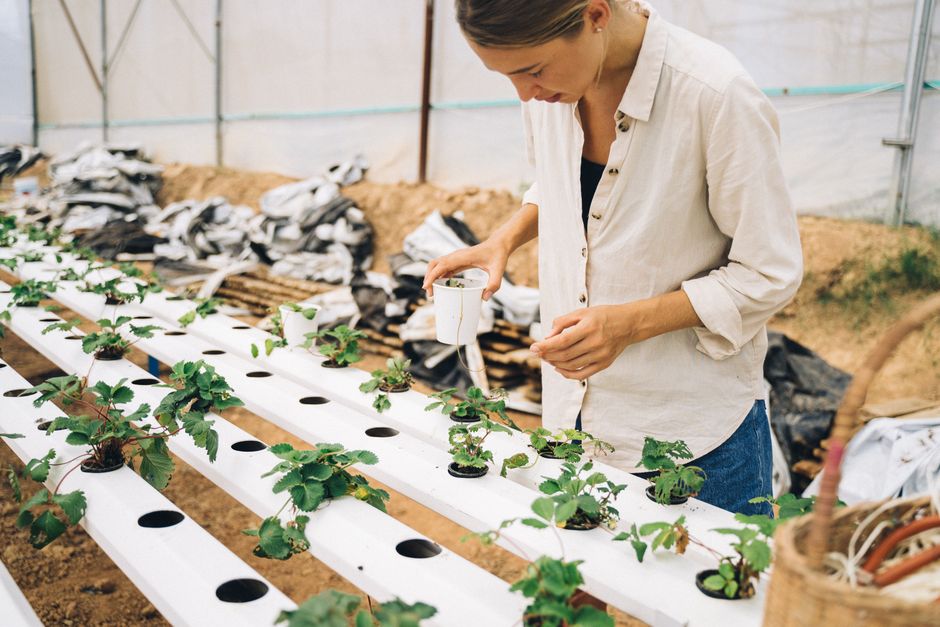
Aquaponics is a sustainable agricultural practice that integrates fish farming (aquaculture) and the cultivation of plants (hydroponics) in a closed-loop system. In this ecosystem, fish waste provides an organic nutrient source for the plants, while the plants help filter and purify the water for the fish. This mutualistic relationship creates a balanced environment where both species can thrive without the need for chemical fertilizers or pesticides.
The origins of aquaponics can be traced back to ancient civilizations, where similar systems were used to grow crops alongside fish. Today, modern technology has refined these methods, making aquaponics kits accessible to hobbyists and urban gardeners alike. As more people become aware of the benefits of growing their own food, aquaponics is gaining popularity as a viable solution for food security.
Components of an Aquaponics Kit
A typical aquaponics kit comprises several essential components that work together to create a productive growing environment. These include:
- Fish Tank: The heart of the system, where fish are raised. The size of the tank can vary depending on the scale of your aquaponics setup.
- Grow Bed: This is where the plants are grown, typically filled with a growing medium that allows for proper drainage and aeration.
- Water Pump: A crucial component that circulates water between the fish tank and the grow bed, ensuring that both fish and plants receive the necessary nutrients and oxygen.
- Filtration System: This helps remove solid waste from the water, maintaining a healthy environment for the fish.
- Air Pump: Provides additional oxygen to the fish and plant roots, promoting growth.
By understanding these components, users can customize their aquaponics kit according to their specific needs and available space.
Benefits of Using Aquaponics Kits
The advantages of aquaponics kits are numerous, particularly for those interested in sustainable gardening. Here are some key benefits:
- Water Efficiency: Aquaponics systems use up to 90% less water compared to traditional gardening methods. The closed-loop design minimizes water waste and encourages conservation.
- Space Saving: Ideal for urban environments, aquaponics kits can be set up in small areas, such as balconies or rooftops, making them suitable for city dwellers.
- Organic Produce: With no need for chemical fertilizers or pesticides, the plants grown in an aquaponics system are organic, offering a healthier option for consumers.
- Diverse Crop Production: Aquaponics allows for a variety of plants to be grown simultaneously, from leafy greens to herbs and even fruiting plants.
- Educational Opportunities: Aquaponics systems provide an excellent platform for educational initiatives, teaching people about ecology, biology, and sustainable practices.
These benefits make aquaponics kits an attractive option for those looking to engage in sustainable gardening practices.
Getting Started with Your Aquaponics Kit
Starting your aquaponics journey requires careful planning and consideration. Here are some steps to help you get started:
- Research: Familiarize yourself with the basics of aquaponics. Understanding how the system works will help you troubleshoot issues as they arise.
- Select Your Kit: Choose a kit that suits your needs, taking into account the available space, budget, and the types of fish and plants you want to cultivate.
- Set Up Your System: Follow the instructions provided with your kit to set up the fish tank, grow bed, and filtration system. Ensure that all components are functioning properly before introducing fish or plants.
- Choose Your Fish and Plants: Select fish that are compatible with your climate and growing conditions. Popular choices include tilapia, goldfish, and catfish. For plants, consider starting with fast-growing options like lettuce or herbs.
- Maintain Your System: Regular monitoring of water quality, fish health, and plant growth is essential for a successful aquaponics system. Conduct routine checks and make adjustments as necessary.
By following these steps, you can establish a thriving aquaponics system in no time.
Conclusion
Aquaponics kits represent a significant advancement in sustainable gardening, offering a unique and efficient way to produce food. With benefits such as water conservation, space efficiency, and organic produce, these systems are becoming increasingly popular among urban gardeners and sustainability enthusiasts. Whether you are a novice or an experienced gardener, investing in an aquaponics kit can lead to a rewarding and fruitful gardening experience. If you’re interested in exploring options, consider checking out an aquaponics kit to kickstart your journey towards sustainable living.