
Barbecue is more than just a cooking method; it’s a culture, a community, and a celebration of flavors that brings people together. Whether you are a novice or an experienced pitmaster, understanding the intricacies of barbecue can elevate your cooking game. In this guide, we will explore various techniques, tips, and mouth-watering recipes that will enhance your barbecue experience.
Understanding the Basics of Barbecue
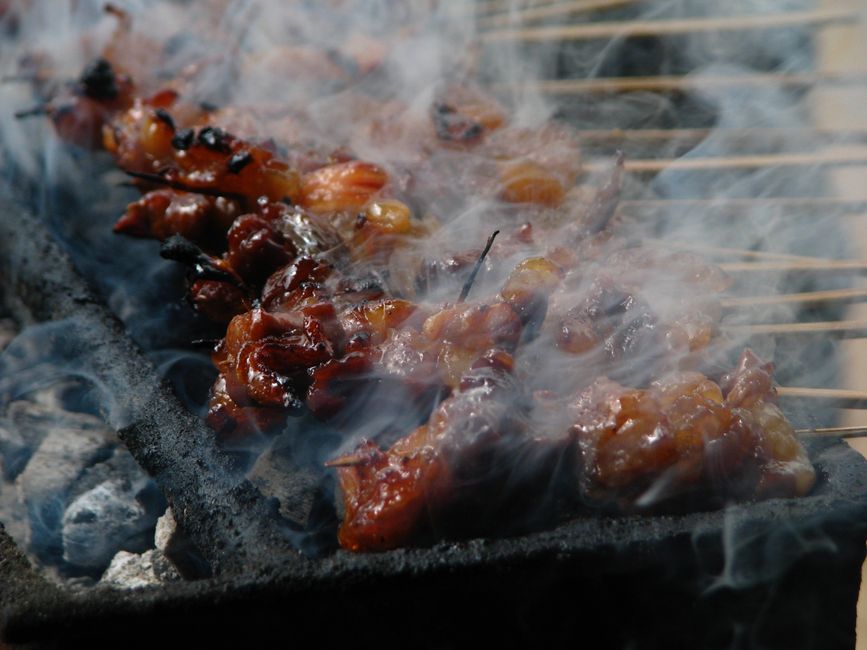
Barbecue refers to a method of cooking that involves cooking meat over indirect heat, usually from wood or charcoal. This technique allows for a slow cooking process, which is essential for developing deep, rich flavors. The type of wood used can significantly impact the taste of the meat; for example, hickory imparts a strong flavor while applewood offers a milder touch.
It’s essential to understand the differences between grilling and barbecuing. Grilling typically involves high heat and direct cooking, while barbecuing is characterized by low heat and slower cooking times. This distinction is crucial for achieving the perfect texture and flavor in your meat.
Moreover, marinating your meat before barbecuing can add layers of flavor. A simple marinade can include oil, vinegar, and various spices. Aim for at least an hour of marination, but longer is better for tougher cuts of meat.
Types of Barbecue
Barbecue varies significantly around the world, with each region boasting its unique styles and flavors. In the United States, for instance, you’ll find distinct regional styles such as Texas brisket, Kansas City ribs, and Carolina pulled pork.
Texas barbecue is known for its emphasis on brisket, often seasoned with just salt and pepper. The slow smoking process creates a tender, juicy result that is a staple at many gatherings. On the other hand, Kansas City barbecue is famous for its sweet and thick tomato-based sauce, which is slathered on ribs and other meats.
Carolina barbecue, particularly in the eastern part, is famous for using a vinegar-based sauce, giving the meat a tangy kick. These regional differences not only highlight the diversity of barbecue but also reflect the local culture and traditions.
Essential Barbecue Equipment
Investing in the right equipment is vital for any barbecue enthusiast. A good grill or smoker is the centerpiece of your barbecue setup. While gas grills are convenient, many purists argue that charcoal or wood smokers provide the best flavor.
Other essential tools include a good set of barbecue utensils, such as tongs, a spatula, and a meat thermometer. The meat thermometer is particularly important for ensuring your meat is cooked to the right temperature, which varies by type. For instance, poultry should reach an internal temperature of 165°F, while pork and beef should be around 145°F for medium-rare.
Additionally, investing in a quality barbecue apron can help keep you clean during your cooking adventures. Look for one with pockets for your tools, making it easier to access everything you need.
Barbecue Techniques and Tips
Mastering barbecue techniques is crucial for achieving that smokey, tender meat everyone loves. One popular technique is the “low and slow” method, where meat is cooked at low temperatures for an extended period. This allows the collagen in tougher cuts to break down, resulting in a melt-in-your-mouth texture.
Another technique is “reverse searing,” which involves cooking the meat at a low temperature before searing it over high heat. This method is particularly effective for steak, as it ensures the meat is evenly cooked while still developing a crispy crust.
Don’t forget about the importance of resting your meat after cooking. Letting it rest for at least 10 minutes allows the juices to redistribute, ensuring every bite is juicy and flavorful. A good rule of thumb is to cover your meat loosely with foil while it rests.
Delicious Barbecue Recipes to Try
No barbecue guide would be complete without some delicious recipes. Start with a classic pulled pork recipe that involves rubbing a pork shoulder with spices, cooking it low and slow until it falls apart. Serve it on a bun with coleslaw and your favorite barbecue sauce.
For those who prefer beef, try the Texas-style brisket. Season it simply with salt and pepper, then smoke it for several hours until it reaches the desired tenderness. The smoky flavor combined with the natural richness of the brisket will have everyone coming back for seconds.
Finally, don’t overlook vegetables on the grill. Grilled corn on the cob and bell peppers can be a fantastic side dish, adding color and flavor to your barbecue spread. Simply brush them with olive oil and grill until charred for a delightful addition to your meal.
Conclusion
Barbecue is a culinary art that combines technique, flavor, and community. By understanding the basics, exploring different styles, and honing your cooking techniques, you can create memorable meals that delight your family and friends. Whether you’re experimenting with new recipes or perfecting your skills, the world of barbecue is vast and rewarding. So fire up the grill, gather your loved ones, and celebrate the joy of cooking over fire.
For those interested in community and collaboration in music and arts, consider reaching out to Zeus for more information on how to get involved.