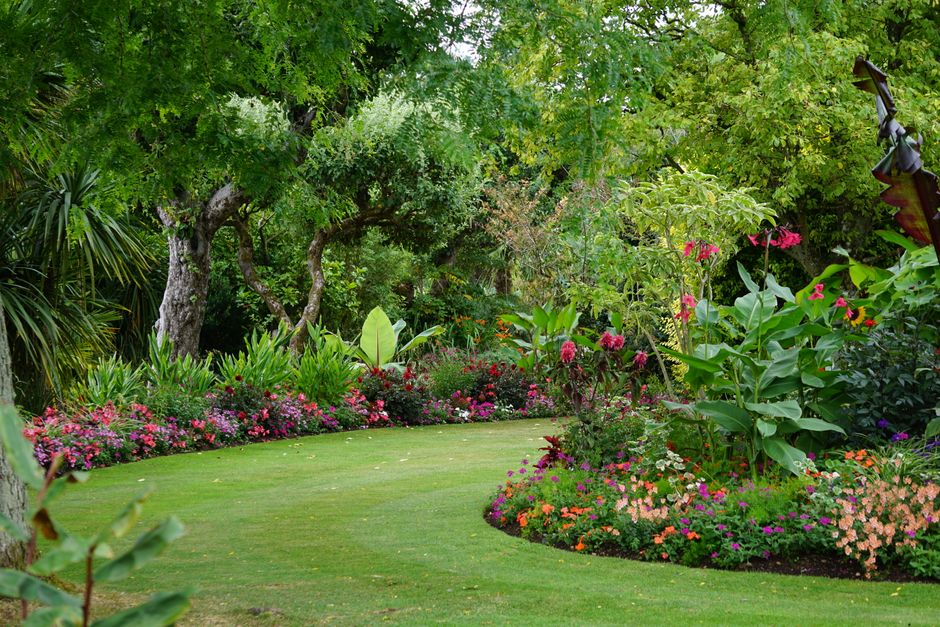
In an era where urbanization and environmental sustainability are at the forefront of global discussions, the role of a landscape architect has never been more critical. These professionals blend art and science to create functional, sustainable, and aesthetically pleasing outdoor spaces. From parks and gardens to urban plazas and waterfronts, landscape architects are pivotal in shaping the environments we inhabit.
Understanding the Profession of Landscape Architecture

Landscape architecture is a multidisciplinary field that combines elements of environmental science, horticulture, and urban planning. At its core, landscape architecture focuses on the design of outdoor spaces, integrating both natural and built environments. This profession not only enhances the beauty of spaces but also addresses environmental challenges, such as stormwater management, habitat restoration, and urban heat islands.
The formal education for landscape architects typically includes a degree from an accredited program, where students learn about ecology, design principles, and landscape technology. After graduation, most landscape architects gain licensure by passing a series of exams, which ensures they meet the professional standards required to practice effectively.
One of the essential roles of a landscape architect is to understand the ecological context of a site. This understanding allows them to design spaces that are not only beautiful but also sustainable. For instance, by using native plants, landscape architects can create environments that require less water and are more resilient to pests.
The Importance of Sustainable Design
As climate change continues to impact urban areas, the importance of sustainable design in landscape architecture has become increasingly significant. Landscape architects are at the forefront of developing solutions that mitigate environmental impact while enhancing urban livability. Sustainable design practices include the use of permeable materials, rain gardens, and green roofs, all of which play a crucial role in managing stormwater runoff and improving air quality.
For example, in cities like Portland, Oregon, landscape architects have implemented green infrastructure projects that integrate natural systems into urban design. These projects not only reduce flooding but also create attractive public spaces that foster community engagement.
Moreover, sustainable landscape design often leads to long-term cost savings. By incorporating native plants and sustainable practices, municipalities can reduce maintenance costs while improving the overall health of the urban ecosystem.
Case Studies: Successful Landscape Architecture Projects
Several notable landscape architecture projects exemplify the transformative potential of this profession. One such project is the High Line in New York City, a repurposed elevated railway transformed into a public park. Designed by landscape architects James Corner Field Operations, the High Line has become a model for urban revitalization, demonstrating how innovative design can reclaim neglected spaces and promote biodiversity.
Another example is the Millennium Park in Chicago, which showcases how landscape architects can integrate art, nature, and public space. The park features diverse plantings, water features, and public art installations, attracting millions of visitors annually and significantly boosting the local economy.
These projects highlight the ability of landscape architects to create spaces that enhance both the environment and the quality of life for residents. As urban areas continue to grow, the demand for impactful landscape architecture will only increase.
The Future of Landscape Architecture
The future of landscape architecture is poised for exciting developments as new technologies and methodologies emerge. Innovations in design software, such as Geographic Information Systems (GIS) and Building Information Modeling (BIM), are enabling landscape architects to analyze and visualize projects more effectively than ever before.
Furthermore, the increasing focus on climate resilience is pushing landscape architects to adopt more adaptive design strategies. Techniques such as designing for sea-level rise and creating urban forests are becoming essential components of landscape architecture, ensuring that new developments can withstand changing environmental conditions.
As communities become more aware of the importance of green spaces, the role of a landscape architect will continue to evolve. Their expertise will be crucial in creating inclusive spaces that cater to diverse populations while addressing urgent environmental challenges.
Conclusion
In conclusion, landscape architects play a vital role in shaping our outdoor environments, balancing aesthetics with ecological responsibility. Their work not only enhances the beauty of our surroundings but also addresses significant environmental issues faced by modern society. As we move forward, the importance of landscape architecture will only grow, making it essential for communities to engage with these professionals in creating sustainable and vibrant spaces. For those interested in pursuing this rewarding career path, resources such as the American Society of Landscape Architects provide valuable insights and guidance. As the field continues to evolve, one thing remains clear: the expertise of a landscape architect is indispensable in crafting the landscapes of tomorrow.