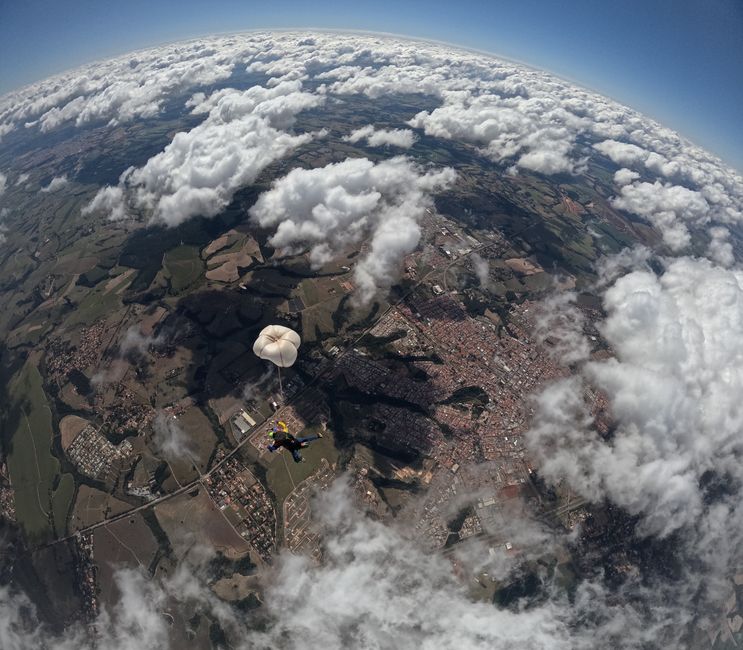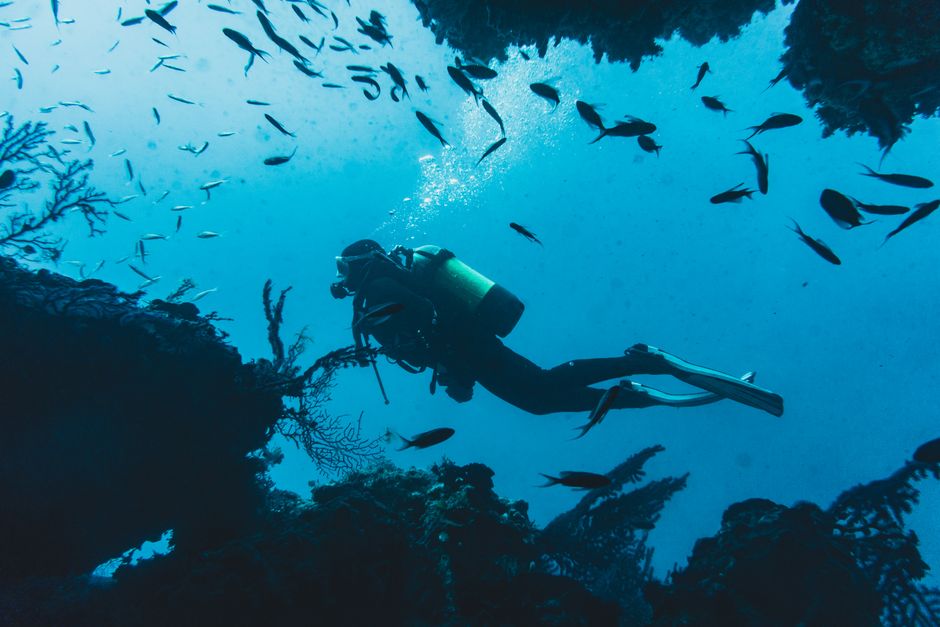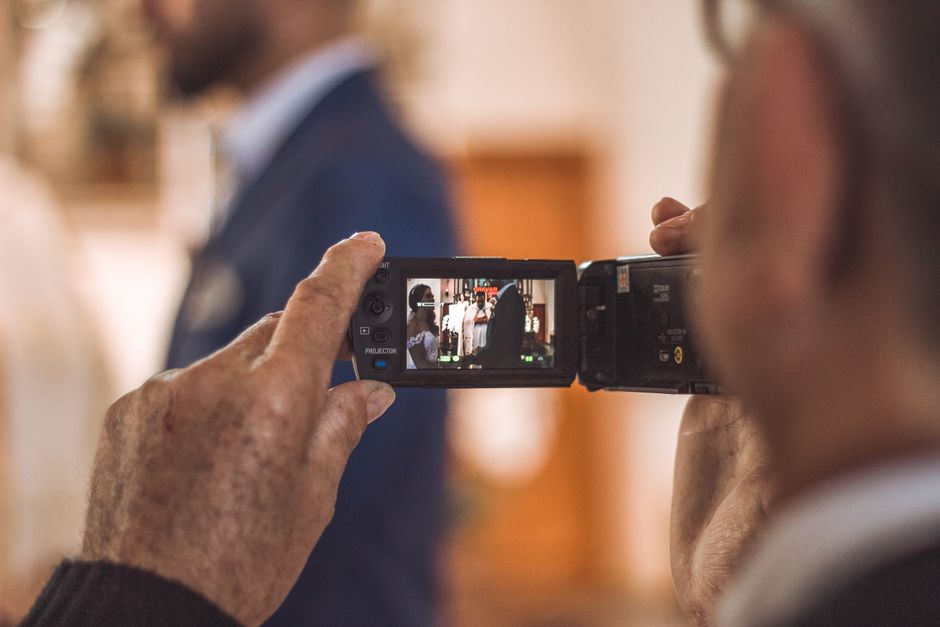
In recent years, the advent of drone technology has transformed the landscape of photography, particularly in the realm of aerial images. Aerial drone photography has made it possible for enthusiasts and professionals alike to capture breathtaking visuals from perspectives that were once reserved for the skies. This article delves into the essentials of aerial drone photography, exploring its benefits, techniques, and the impact it has on various industries.
Understanding Aerial Drone Photography
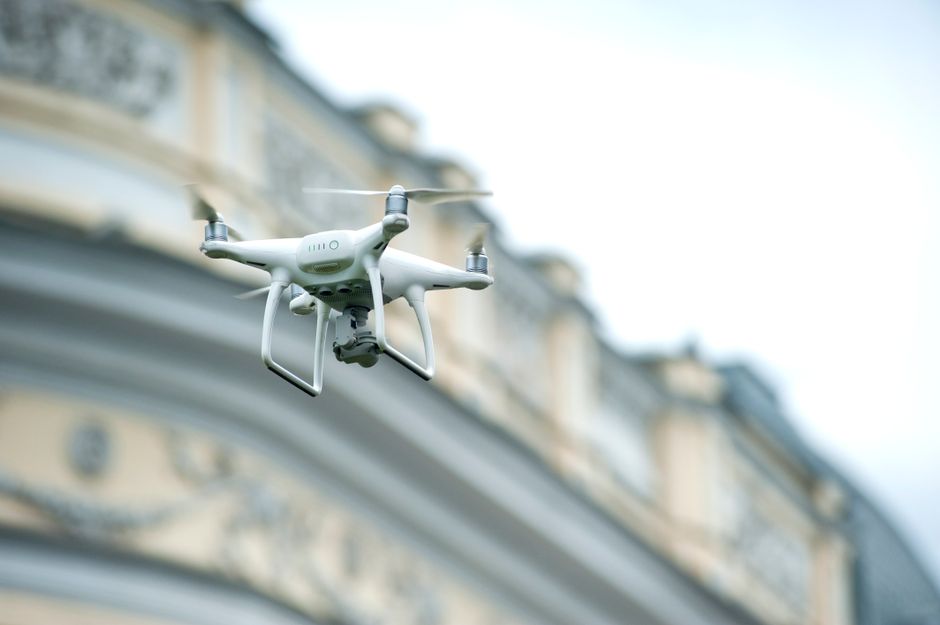
Aerial drone photography refers to the use of drones equipped with cameras to capture images from above. This innovative approach to photography allows for unique angles and compositions that traditional photography cannot achieve. The increasing accessibility of drones has democratized aerial photography, enabling more people to explore this captivating field.
According to a report by the Federal Aviation Administration (FAA), the number of registered drones in the United States surpassed 1.7 million in 2020, showcasing the growing interest in aerial photography. With advancements in drone technology, such as improved camera quality and enhanced flight stability, the potential for stunning aerial imagery is greater than ever.
Essential Equipment for Aerial Photography
To embark on your aerial photography journey, selecting the right equipment is crucial. Drones vary in size, price, and capabilities, and understanding these differences can significantly impact your photography outcomes. Popular models like the DJI Phantom and Mavic series offer high-quality cameras and user-friendly interfaces, making them ideal choices for both beginners and experienced photographers.
In addition to the drone itself, investing in accessories such as spare batteries, propellers, and ND filters can enhance your shooting experience. ND filters, in particular, are essential for controlling exposure and achieving smooth motion blur in your images. Proper maintenance and calibration of your drone are also vital to ensure optimal performance.
Techniques for Captivating Aerial Shots
Once you have your equipment ready, mastering the techniques of aerial photography is the next step. Composition is key; applying the rule of thirds can dramatically improve the visual impact of your images. Experiment with different altitudes and angles to discover unique perspectives that highlight the beauty of your subject.
Lighting plays a significant role in aerial photography as well. The golden hours of sunrise and sunset, often referred to as the “magic hour,” provide soft, warm light that enhances the vibrancy of colors in your shots. Moreover, understanding how to utilize shadows and reflections can add depth and interest to your photographs.
Applications of Aerial Drone Photography
The versatility of aerial drone photography extends across various industries. In real estate, for example, drone imagery can showcase properties from a bird’s-eye view, providing potential buyers with a comprehensive perspective of the property and its surroundings. This approach has been proven to increase engagement and attract more interest from buyers.
Moreover, aerial photography is invaluable in industries such as agriculture, construction, and environmental monitoring. Farmers utilize drone imagery to assess crop health and optimize their farming practices, while construction companies employ aerial shots to monitor project progress and ensure compliance with safety standards. The ability to capture detailed visuals from the sky enhances decision-making processes and efficiency across these sectors.
Legal Considerations and Safety Tips
Before embarking on your aerial photography adventures, it is essential to familiarize yourself with local regulations governing drone use. In many countries, including the United States, drone operators are required to follow specific guidelines set by aviation authorities. This includes registering your drone, obtaining necessary permits, and adhering to no-fly zones.
Safety is paramount in aerial drone photography. Always conduct pre-flight checks, ensure your drone is in good condition, and be mindful of weather conditions that may affect your flight. Following these guidelines not only ensures your safety but also protects your equipment and those around you.
Conclusion
Aerial drone photography has revolutionized the way we capture and perceive the world around us. As technology continues to advance, the possibilities within this field are limitless. Whether you are a hobbyist looking to explore new heights or a professional seeking to enhance your portfolio, embracing aerial photography can open doors to breathtaking visuals and creative opportunities. With the right equipment, techniques, and adherence to safety regulations, you can embark on an exciting journey through the skies, capturing moments that tell compelling stories. For those interested in exploring this captivating field further, many professionals offer specialized services in aerial drone photography.