
In recent years, the growing awareness of environmental issues has led to a significant shift in how we manage waste, particularly plastic waste. As plastic continues to dominate our lives, from packaging to consumer goods, the need for effective solutions has never been more pressing. Plastic recycling companies play a crucial role in this transformation, offering services that not only help reduce waste but also promote sustainability. This article explores the vital contributions of these companies, their processes, and the future of plastic recycling.
The Importance of Plastic Recycling
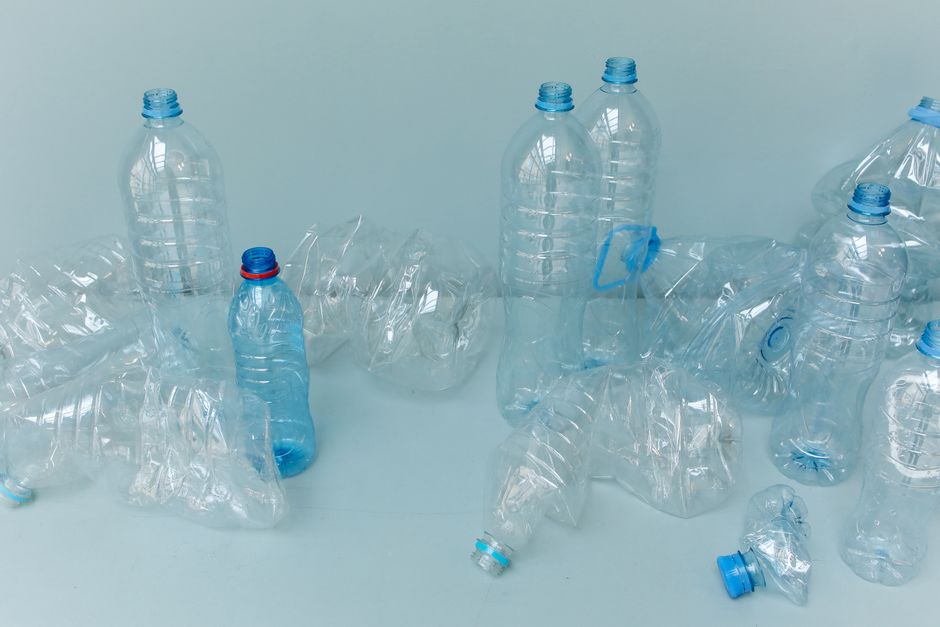
Plastic recycling is essential for several reasons. First and foremost, it helps to mitigate the environmental impact of plastic waste. According to the Environmental Protection Agency (EPA), approximately 27 million tons of plastic waste were generated in the United States in 2018 alone, with only about 9% being recycled. This staggering figure highlights the urgent need for improved recycling efforts.
Moreover, recycling plastic reduces the demand for new plastic production, which is a resource-intensive process. The production of new plastic significantly contributes to carbon emissions, and by recycling existing materials, we can decrease our overall carbon footprint. Furthermore, recycling conserves natural resources such as oil and gas, which are used in the production of virgin plastics.
Plastic recycling companies are at the forefront of these efforts, providing the necessary infrastructure and technology to process plastic waste effectively. These companies not only help in diverting waste from landfills but also create a circular economy where materials are reused and repurposed.
The Process of Plastic Recycling
The recycling process for plastic involves several key steps, each of which is critical to ensuring that the materials are reused effectively. The first step is collection, where plastic waste is gathered from various sources, including homes, businesses, and recycling centers. This collected waste is then sorted based on the type of plastic, as different plastics require different recycling processes.
Once sorted, the plastics are cleaned to remove contaminants such as food residue and labels. This step is essential because impurities can affect the quality of the recycled material. After cleaning, the plastic is shredded into small pieces, making it easier to process. These small plastic pieces, known as plastic flakes, can then be melted down and reformed into new plastic products.
Plastic recycling companies utilize advanced technologies to streamline this process. For example, some companies employ automated sorting systems that use infrared sensors to identify different types of plastics quickly, improving efficiency and accuracy in the recycling process. This technological advancement not only enhances productivity but also ensures a higher quality of recycled materials.
Challenges Faced by Plastic Recycling Companies
Despite their crucial role, plastic recycling companies face numerous challenges that can hinder their effectiveness. One significant issue is the contamination of recycling streams. Many consumers are unaware of the importance of cleaning and sorting their recyclables, leading to a higher percentage of contaminated materials. This contamination can make it difficult for recycling facilities to process plastics and can result in lower-quality recycled products.
Additionally, the fluctuating market demand for recycled plastics presents another challenge. When the price of virgin plastic is low, it can be more cost-effective for manufacturers to use new materials rather than recycled ones. This situation can discourage investment in recycling infrastructure and innovation.
Furthermore, public awareness and participation in recycling programs are essential for their success. Plastic recycling companies often invest in educational campaigns to inform the public about proper recycling practices and the benefits of recycling, but these efforts can take time to yield results.
Innovations in Plastic Recycling
To overcome these challenges, plastic recycling companies are continually innovating and developing new methods to improve their processes. One exciting development is the emergence of chemical recycling, which allows for the breakdown of plastics into their original monomers. This method can potentially recycle a broader range of plastics, including those that are currently non-recyclable through traditional methods.
Moreover, many companies are exploring the use of biodegradable or compostable plastics as alternatives to traditional petroleum-based plastics. These innovations could significantly reduce the amount of plastic waste generated in the first place, making recycling efforts more effective.
Collaboration is also a key factor in driving innovation. Many recycling companies are partnering with manufacturers, governments, and non-profit organizations to create comprehensive recycling programs that address the entire lifecycle of plastic products. Such collaborations can result in more sustainable practices and a greater impact on reducing plastic waste.
The Future of Plastic Recycling
As we look to the future, the role of plastic recycling companies will only become more critical. With increasing plastic production and consumption, the need for effective recycling solutions will continue to grow. According to a recent report, the global plastic recycling market is expected to reach $70 billion by 2030, demonstrating a clear shift towards a more sustainable approach to plastic waste management.
Moreover, advancements in technology will likely play a significant role in the evolution of plastic recycling. The integration of artificial intelligence and machine learning into recycling processes could enhance sorting efficiency and material recovery rates, leading to higher-quality recycled products.
Ultimately, the success of plastic recycling companies will depend on the collective efforts of consumers, manufacturers, and policymakers. By fostering a culture of sustainability and encouraging responsible plastic use, we can create a more circular economy that benefits both the environment and society as a whole. For those interested in learning more about the transformative power of these companies, consulting a plastic recycling company can provide valuable insights into the industry’s future and innovations.