
In an era where digital experiences are becoming increasingly important, virtual tour photography is emerging as a powerful tool for businesses and individuals alike. With the ability to provide immersive experiences from the comfort of one’s home, this innovative approach to photography is revolutionizing how we explore spaces. From real estate listings to virtual museum tours, the applications are vast and varied. In this article, we will delve into the intricacies of virtual tour photography, its benefits, techniques, and future trends.
Understanding Virtual Tour Photography
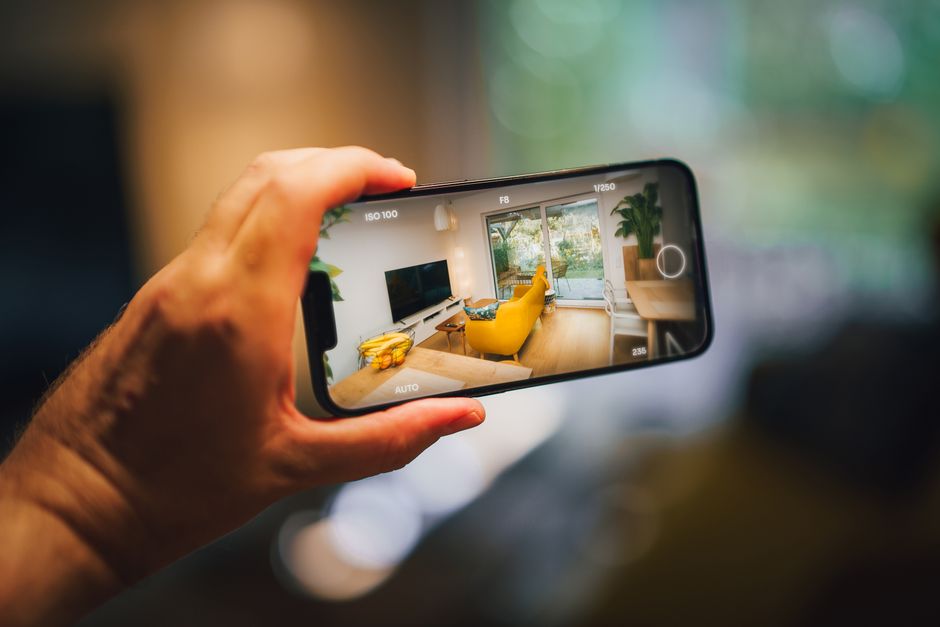
Virtual tour photography involves a series of images or videos that create an interactive experience for the viewer. Typically, these tours are constructed using 360-degree images that allow users to navigate through spaces as if they were physically present. This technology has gained momentum due to advancements in camera equipment and software, making it more accessible to professionals and amateurs alike.
One of the primary components of virtual tour photography is the use of specialized cameras or equipment. High-quality 360-degree cameras, such as the Ricoh Theta Z1 or the Insta360 One X2, are popular choices among photographers. These devices capture panoramic images that can be stitched together to form a seamless tour. Additionally, software like Matterport and Pano2VR allows creators to enhance their presentations with interactive elements, such as hotspots and audio guides.
The Benefits of Virtual Tours
Virtual tour photography offers numerous advantages for various industries. For real estate agents, it provides a competitive edge by allowing potential buyers to view properties remotely. According to a study by the National Association of Realtors, listings with virtual tours receive 87% more views than those without. This statistic underscores the importance of incorporating virtual tours into marketing strategies.
Moreover, businesses in the hospitality sector can benefit significantly from virtual tours. Hotels and resorts can showcase their amenities and accommodations through immersive experiences, enticing potential guests to make reservations. A well-executed virtual tour can lead to higher conversion rates, as customers feel more confident in their choices when they can visualize the space beforehand.
Techniques for Capturing Stunning Virtual Tours
Creating an engaging virtual tour requires careful planning and execution. First and foremost, lighting is crucial. Natural light often yields the best results, so scheduling shoots during the golden hour—shortly after sunrise or before sunset—can enhance the visual appeal of the tour.
Additionally, composition plays a vital role in virtual tour photography. Photographers should consider how each shot contributes to the overall narrative of the space. For instance, capturing wide-angle shots of rooms can provide context, while close-ups of unique details can engage the viewer. To ensure a seamless transition between images, it is essential to maintain consistent camera settings throughout the shoot.
Applications in Various Industries
The versatility of virtual tour photography allows it to be utilized in various fields. In the education sector, schools and universities are increasingly offering virtual tours to give prospective students a glimpse of campus life. This initiative can help institutions attract more applicants by providing an authentic sense of their environment.
Furthermore, museums and cultural institutions have adopted virtual tours to expand their reach to global audiences. By offering online access to exhibits, these organizations can engage visitors who may not be able to travel. The British Museum, for example, offers a virtual tour that allows users to explore its galleries from anywhere in the world.
The Future of Virtual Tour Photography
As technology continues to evolve, the future of virtual tour photography looks promising. The integration of virtual reality (VR) and augmented reality (AR) is likely to enhance the immersive experience further. For instance, users may soon be able to interact with digital elements within a virtual tour, such as clicking on objects for more information.
Moreover, advancements in 5G technology will enable faster data transmission, allowing for higher-quality virtual tours without lag. This improvement will enhance user experience, making virtual tours more appealing to a broader audience. As more businesses recognize the value of virtual tour photography, we can expect to see even more innovative applications across various sectors.
Conclusion
Virtual tour photography is reshaping how we experience spaces, offering numerous benefits across different industries. Whether it’s for real estate, hospitality, education, or cultural institutions, the ability to provide immersive tours is becoming a key marketing strategy. By understanding the techniques and applications of virtual tour photography, professionals can leverage this technology to engage audiences and enhance their business offerings. As we move forward, embracing the future of virtual tour photography will be essential for staying competitive in an increasingly digital world. For those looking to explore the possibilities of virtual tour photography, the potential is limitless.