
The world is undergoing a significant transformation in energy consumption and production, with a growing emphasis on sustainability and efficiency. As renewable energy sources like solar and wind gain traction, the need for effective energy storage systems becomes increasingly critical. Energy storage systems not only help in balancing supply and demand but also play a vital role in stabilizing the grid and ensuring a reliable energy supply. In this article, we will delve into the various types of energy storage systems, their applications, benefits, and the future landscape of energy storage technology.
Understanding Energy Storage Systems
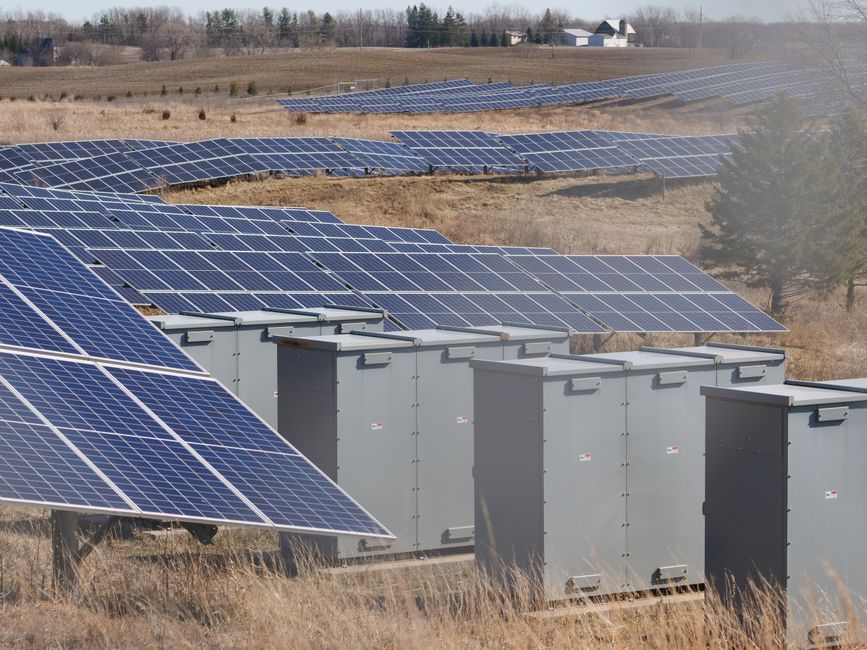
Energy storage systems (ESS) refer to technologies that store energy for later use, allowing for the management of energy supply and demand. These systems can store energy generated from renewable sources, such as solar panels or wind turbines, and release it when needed. The primary types of energy storage systems include batteries, pumped hydro storage, thermal storage, and flywheels.
Batteries, especially lithium-ion batteries, are among the most common energy storage solutions used today. They are widely employed in consumer electronics, electric vehicles, and grid applications due to their high energy density and efficiency. Pumped hydro storage, on the other hand, is a more traditional method that utilizes two water reservoirs at different elevations to generate electricity during peak demand periods.
Thermal storage systems store energy in the form of heat, which can be used to generate electricity or provide heating. This technology is particularly useful in concentrated solar power plants, where sunlight is harnessed to heat a fluid, which is then used to produce steam and drive turbines. Flywheels store energy in the form of kinetic energy and are known for their rapid response times, making them suitable for frequency regulation in power grids.
Applications of Energy Storage Systems
Energy storage systems have a wide array of applications across various sectors. In the renewable energy sector, they play a crucial role in enabling the integration of intermittent resources like solar and wind power into the grid. By storing excess energy generated during peak production times and releasing it during periods of low generation, ESS helps to ensure a stable and reliable energy supply.
In commercial and industrial settings, energy storage systems can help reduce electricity costs by shifting energy usage to off-peak hours. For instance, businesses can store energy during the night when electricity rates are lower and use it during the day when rates are higher. This not only saves money but also reduces the strain on the grid during peak demand periods.
Furthermore, energy storage systems are increasingly being used in residential applications, particularly with the rise of home solar panel installations. Homeowners can store energy produced by their solar panels for use during the evening or cloudy days, maximizing the benefits of their solar investment.
Benefits of Energy Storage Systems
The benefits of energy storage systems are numerous and varied. First and foremost, they enhance energy reliability by providing backup power during outages or periods of high demand. This reliability is particularly essential in critical sectors like healthcare, data centers, and emergency services.
Moreover, energy storage systems contribute to grid stability by providing ancillary services such as frequency regulation and voltage support. These services help maintain the balance between supply and demand, preventing blackouts and ensuring a smooth operation of the grid.
Additionally, by facilitating the integration of renewable energy sources, energy storage systems help reduce greenhouse gas emissions and promote a cleaner energy future. As more countries commit to sustainability goals, the demand for efficient and effective energy storage solutions will continue to grow.
The Future of Energy Storage Technology
The future of energy storage technology looks promising, with ongoing advancements aimed at improving efficiency, reducing costs, and enhancing the lifespan of storage systems. Research and development efforts are focused on developing next-generation batteries, such as solid-state batteries, which offer improved safety and energy density compared to traditional lithium-ion batteries.
Moreover, innovations in artificial intelligence and machine learning are being leveraged to optimize the operation and management of energy storage systems, enabling more responsive and adaptive energy solutions. As technology continues to evolve, we can expect to see a significant increase in the deployment of energy storage systems across various sectors.
In conclusion, energy storage systems are a vital component of the modern energy landscape. They not only enable the integration of renewable energy sources but also enhance grid stability and reliability. As we move towards a more sustainable future, the development and adoption of advanced energy storage technologies will play a crucial role in shaping the global energy ecosystem. For more information on energy storage systems, you can explore energy storage system resources available online.