
Bedbugs are tiny, elusive pests that have made a notable comeback in recent years, causing distress for many households and hotels alike. These blood-sucking insects not only leave itchy bites but can also lead to significant emotional and financial stress for those affected. Understanding the best strategies for bedbug extermination is crucial for anyone facing an infestation.
Understanding Bedbugs: Biology and Behavior
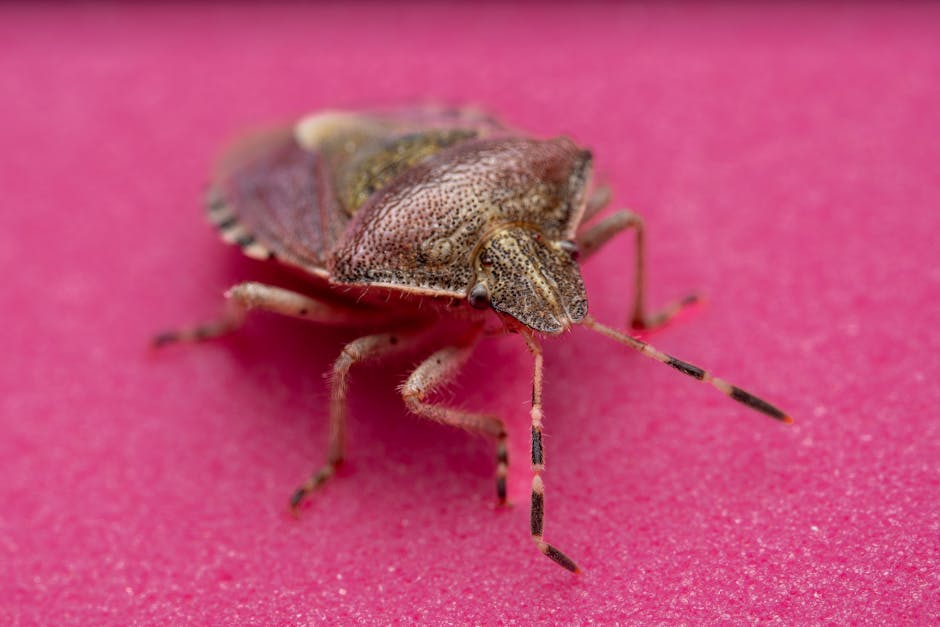
Bedbugs (Cimex lectularius) are small, flat, and reddish-brown insects that feed on the blood of humans and animals. They are primarily nocturnal, making them difficult to detect, as they come out to feed during the night. One of the most concerning aspects of bedbugs is their ability to reproduce quickly; a single female can lay up to 500 eggs in her lifetime, leading to a rapid increase in the population if not addressed promptly.
Bedbugs typically hide in cracks and crevices, including mattresses, bed frames, and even electrical outlets. Their flat bodies allow them to fit into tight spaces, making them hard to spot. Understanding where these pests hide is essential for effective extermination.
In terms of behavior, bedbugs are attracted to warmth and carbon dioxide, which is why they often gravitate towards sleeping humans. Their bites can cause allergic reactions in some people, resulting in uncomfortable itching and swelling. For many, the psychological toll of knowing that these pests are present can be as distressing as the physical symptoms they produce.
Signs of a Bedbug Infestation
Identifying a bedbug problem early can significantly enhance the effectiveness of extermination efforts. Common signs of an infestation include:
- Visible bedbugs: Adult bedbugs are about the size of an apple seed and can be seen with the naked eye.
- Bedbug bites: Red, itchy welts may appear on the skin after being bitten.
- Blood stains: Small, dark spots on sheets or mattresses may indicate bedbug activity.
- Fecal spots: Tiny, dark spots that can be found on bedding or furniture are a telltale sign of bedbugs.
Regular inspections of sleeping areas, especially after traveling or staying in hotels, are essential to catch potential infestations early.
Effective Bedbug Extermination Methods
When it comes to bedbug extermination, there are several methods available, each with its pros and cons. Here are some of the most effective:
1. Heat Treatment
Heat treatment involves raising the temperature of the affected area to a level that is lethal to bedbugs. This method is highly effective as it reaches all hiding spots, killing bugs at all life stages. Professional pest control services often use specialized equipment to ensure that the heat penetrates deep into furniture and walls.
2. Chemical Treatments
Chemical extermination involves using insecticides designed to kill bedbugs. These products can be applied in various ways, including sprays and powders. It’s essential to follow the manufacturer’s instructions closely and consider hiring a professional to ensure safe and effective application. Some insecticides target specific life stages of bedbugs, so a combination of products may be necessary for complete eradication.
3. Vacuuming and Cleaning
While vacuuming alone won’t eradicate an infestation, it can significantly reduce the number of bedbugs and eggs present. Regularly vacuuming carpets, mattresses, and upholstered furniture helps remove these pests and their potential hiding spots. Following up with a thorough washing of bedding and clothing in hot water is also recommended. For persistent problems, consider integrating bed bug treatment options that complement your cleaning efforts.
Preventing Future Infestations
Prevention is key to avoiding future bedbug problems. Here are some strategies to consider:
- Use mattress and box spring encasements to create a barrier against bedbugs.
- Be cautious when purchasing second-hand furniture or clothing; inspect items thoroughly before bringing them home.
- Regularly check for signs of bedbugs, especially after traveling.
- Seal cracks and crevices in walls and furniture to eliminate potential hiding spots.
By taking proactive steps, homeowners can significantly reduce the risk of a bedbug infestation.
Conclusion
Bedbug extermination is a critical issue that requires immediate action to prevent further spread and distress. By understanding their biology, recognizing the signs of an infestation, and employing effective extermination methods, individuals can reclaim their spaces and find peace of mind. Remember that prevention is equally important in keeping these pests at bay. With vigilance and the right strategies, it is possible to live comfortably without the threat of bedbugs.