
Education is the foundation of every society, playing a critical role in shaping individuals and communities. As we move further into the 21st century, the landscape of education is evolving rapidly, influenced by technological advancements, changing job markets, and new pedagogical theories. This article explores the key trends and innovations that are shaping the future of education, highlighting the importance of adaptability and forward-thinking in educational practices.
Technological Integration in Education
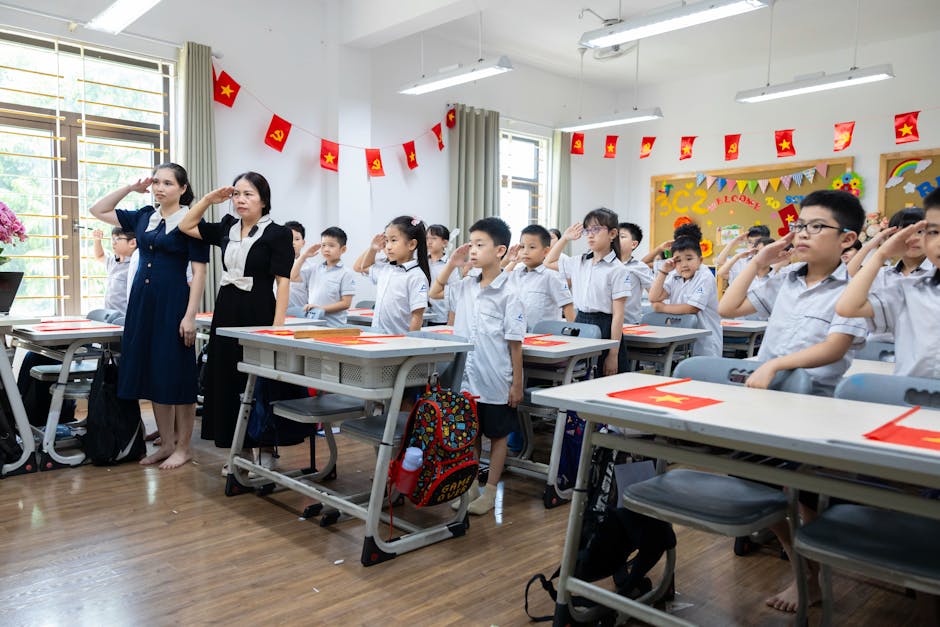
In recent years, technology has become increasingly integrated into the educational process. From online courses to virtual classrooms, the way we learn has transformed dramatically. According to a report by the National Center for Education Statistics, approximately 35% of higher education students were enrolled in at least one distance education course in 2021. This shift towards online learning has not only made education more accessible but also has introduced new methods of engagement.
Moreover, tools such as artificial intelligence and machine learning are personalizing the learning experience. For instance, platforms like Khan Academy and Coursera utilize algorithms to tailor content to individual learners’ needs, ensuring that students can progress at their own pace. In this context, educational institutions must adapt to incorporate these technologies effectively, preparing educators and students alike for a tech-driven future.
In addition to online learning, gamification is becoming a popular approach to enhance student engagement. By incorporating game-like elements into the curriculum, educators can motivate students and make learning fun. This method not only fosters a positive learning environment but also improves retention rates. For example, educational games that simulate real-world challenges can help students develop critical thinking skills and problem-solving abilities.
Shifting Paradigms: From Traditional to Student-Centered Learning
The traditional model of education, which emphasizes rote memorization and standardized testing, is being challenged by a more student-centered approach. This new paradigm focuses on fostering critical thinking, creativity, and collaboration among students. According to the World Economic Forum, skills such as emotional intelligence and adaptability will be crucial for future job markets, highlighting the need for educational systems to evolve.
Project-based learning (PBL) is one example of a student-centered approach that encourages learners to engage in real-world problems. In this model, students work on projects over an extended period, allowing them to explore topics in depth while developing valuable skills. Research indicates that PBL not only enhances academic performance but also boosts student motivation and engagement.
Furthermore, the incorporation of social and emotional learning (SEL) into curricula is gaining traction. SEL programs focus on equipping students with skills to manage emotions, set goals, and establish positive relationships. Schools that implement SEL initiatives report improved student behavior, increased academic performance, and enhanced overall well-being.
The Role of Lifelong Learning in a Changing Job Market
As industries evolve and new technologies emerge, the concept of lifelong learning is becoming increasingly important. In today’s fast-paced job market, individuals must continuously update their skills to remain competitive. According to a study by McKinsey, more than 50% of employees will need reskilling by 2030 due to automation and technological advancements.
Educational institutions are beginning to recognize the importance of lifelong learning and are offering more flexible options for adult learners. Online courses, micro-credentials, and boot camps provide opportunities for individuals to acquire new skills without committing to a full degree program. These alternative pathways not only make education more accessible but also allow learners to tailor their education to their specific career goals.
Moreover, companies are increasingly investing in employee development, recognizing that a skilled workforce is essential for innovation and growth. Organizations that prioritize continuous learning create a culture of adaptability, ensuring that their employees can thrive in an ever-changing landscape.
Globalization and Education: Bridging Cultures and Ideas
Globalization has drastically changed the educational landscape, fostering greater collaboration and exchange of ideas across borders. International partnerships between educational institutions are becoming more common, allowing students to benefit from diverse perspectives and experiences. Programs such as student exchange initiatives and joint degree offerings enable learners to immerse themselves in different cultures while expanding their academic horizons.
Additionally, the rise of online learning platforms has democratized education, providing access to high-quality resources for learners worldwide. For example, platforms like edX and FutureLearn offer courses from top universities, making it possible for anyone with an internet connection to access world-class education. This shift not only enhances individual learning opportunities but also promotes global citizenship and understanding.
However, it is crucial to address the digital divide to ensure that all students have equal access to these resources. Educational institutions and governments must work together to provide the necessary infrastructure and support to underserved communities, bridging the gap in educational opportunities.
Conclusion
The future of education is bright yet filled with challenges. As technological advancements continue to reshape the landscape, it is imperative for educators, institutions, and policymakers to embrace change and innovation. By prioritizing student-centered approaches, promoting lifelong learning, and fostering global collaboration, we can create an educational system that prepares individuals for success in a rapidly evolving world. As we navigate these changes, we must also ensure that every learner has the opportunity to thrive, regardless of their background or circumstances. Education is not just a pathway to personal success; it is the foundation upon which we build a better and more equitable society. In this journey, resources such as toto togel can play a role in enhancing educational initiatives and supporting learners worldwide.