
The ambiance of a restaurant plays a crucial role in attracting and retaining customers. It is not just about serving food; it’s about creating an experience. The right interior design can transform a simple dining space into a memorable destination. In this article, we will explore the key elements of restaurant interior design that can enhance customer satisfaction and drive business success.
Understanding the Importance of Interior Design
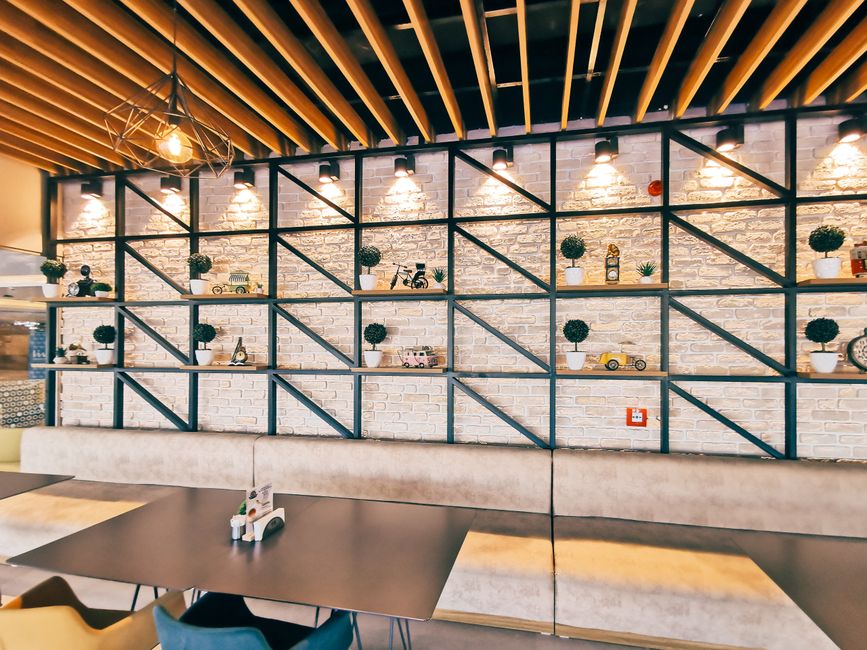
Restaurant interior design is more than just aesthetics; it influences customer behavior and can significantly impact sales. According to a study by the National Restaurant Association, 60% of diners say that the atmosphere of a restaurant is as important as the food. A well-designed space can evoke emotions, encourage longer stays, and even influence the choice of menu items.
Moreover, the interior design reflects the brand identity of the restaurant. Whether it is a casual diner or a high-end gourmet establishment, the design should resonate with the target audience. This alignment creates a cohesive experience that enhances brand loyalty. For instance, a farm-to-table restaurant might use rustic decor and natural materials to convey its commitment to sustainability.
Key Elements of Restaurant Interior Design
When it comes to restaurant interior design, several elements need to be considered. These include layout, lighting, color schemes, furniture selection, and decor. Each component plays a vital role in creating a harmonious environment.
The layout should facilitate smooth traffic flow, ensuring that both customers and staff can move easily within the space. Open layouts can create a sense of community, while intimate seating arrangements may appeal to couples looking for a romantic dining experience.
Lighting is another critical aspect. It sets the mood and can significantly affect how food is perceived. A study in the Journal of Hospitality and Tourism Research found that dim lighting can enhance the flavor perception of food. Therefore, selecting the right lighting fixtures and intensity is essential for creating the desired atmosphere.
Incorporating Branding into Design
Integrating branding into restaurant interior design is essential for creating a memorable experience. This can be achieved through color palettes, materials, and artwork that reflect the restaurant’s theme and philosophy. For example, a seafood restaurant might incorporate nautical elements like fishing nets or marine colors to create an immersive environment.
Moreover, unique design elements can serve as social media backdrops, encouraging customers to share their experiences online. In today’s digital age, a visually appealing space can lead to free marketing through social media shares and posts.
It’s also worth noting that incorporating local culture and history into the design can strengthen community ties. Many successful restaurants use local artists and craftsmen to create decor that resonates with the local clientele.
Case Studies: Successful Restaurant Designs
Examining successful restaurant designs can provide valuable insights into effective strategies. One notable example is the interior of Blue Hill at Stone Barns in New York, which uses sustainable materials and a layout that promotes interaction with the surrounding farm. The design not only reflects the restaurant’s mission but also enhances the dining experience by connecting guests to the source of their food.
Another example is Wagamama, a chain known for its Asian-inspired cuisine. Its interior design utilizes communal seating and vibrant colors to create a lively atmosphere, encouraging social interaction among diners. This design choice aligns with their brand identity and enhances the overall customer experience.
Future Trends in Restaurant Interior Design
As we look to the future, several trends are emerging in restaurant interior design. One significant trend is the use of technology to enhance the dining experience. Interactive menus, augmented reality, and personalized lighting options are becoming more prevalent in modern establishments.
Additionally, sustainability continues to be a critical focus, with many restaurants opting for eco-friendly materials and energy-efficient designs. This trend not only appeals to environmentally conscious consumers but also helps in reducing operational costs in the long run.
Lastly, flexibility in design is becoming increasingly important. Restaurants are finding that adaptable spaces can cater to a variety of functions, from casual dining to private events, allowing them to maximize their investment in interior design.
Conclusion
Effective restaurant interior design is a multifaceted endeavor that requires careful consideration of various elements. From layout and lighting to branding and sustainability, each aspect plays a vital role in creating a welcoming and memorable dining experience. By investing in thoughtful design, restaurant owners can not only enhance customer satisfaction but also drive long-term success. For those looking to delve deeper into the world of restaurant interior design, the possibilities are as vast as the culinary creations that fill the plates.