
The luxury goods market has undergone a significant transformation in recent years, with the emergence of luxury brand resellers becoming a prominent trend. This shift not only reflects the changing dynamics of consumer behavior but also highlights the growing demand for sustainable and accessible luxury. In this article, we will delve into the world of luxury brand reselling, exploring its impact on the fashion industry, the benefits for consumers, and the challenges faced by resellers.
The Rise of Luxury Brand Reselling
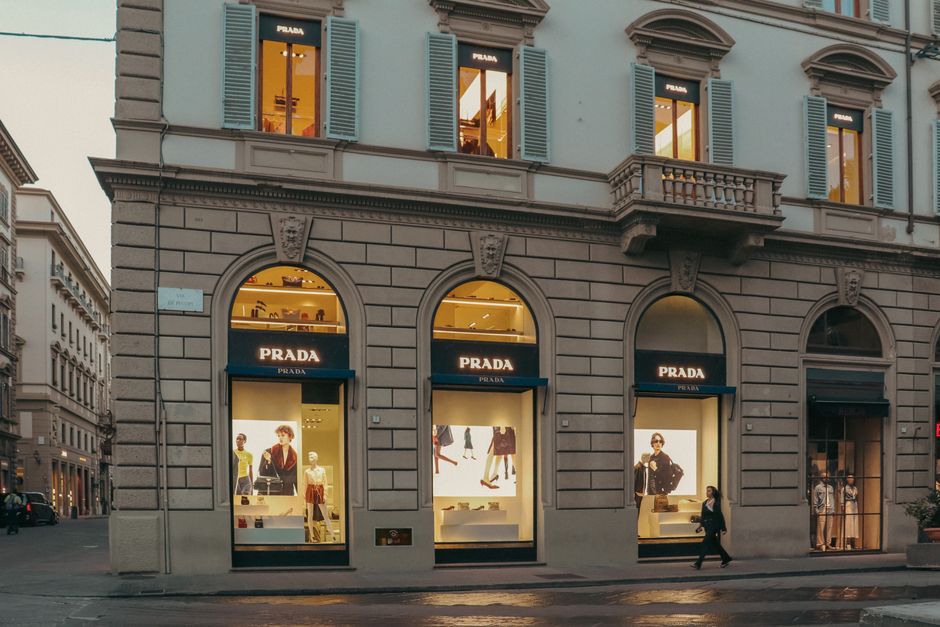
Luxury brand reselling has surged in popularity, driven by a combination of factors including the rise of e-commerce and changing consumer preferences. According to a report by Bain & Company, the global market for second-hand luxury goods is projected to reach $64 billion by 2024. This growth is attributed to millennials and Gen Z consumers who prioritize sustainability and value over brand-new products.
As more individuals seek to sell their luxury items, platforms dedicated to reselling have emerged. These platforms, often referred to as consignment shops or luxury marketplaces, offer a way for consumers to sell their pre-owned items while also providing buyers access to affordable luxury. For instance, many consumers are turning to sites like Poshmark and The RealReal to buy and sell luxury goods, creating a vibrant community of resale.
Benefits of Buying from Luxury Brand Resellers
Purchasing luxury items from resellers offers several advantages for consumers. One of the most significant benefits is cost savings. Luxury brand resellers often sell items at prices significantly lower than retail, making high-end fashion more accessible. For example, a designer handbag that retails for $3,000 might be available for $1,800 through a reseller, allowing consumers to enjoy luxury without the hefty price tag.
Additionally, buying from resellers promotes sustainability. The fashion industry is one of the largest contributors to environmental degradation, with fast fashion being a significant part of the problem. By choosing to buy second-hand luxury goods, consumers can reduce their carbon footprint and contribute to a more sustainable fashion ecosystem.
Challenges Faced by Luxury Brand Resellers
Despite the advantages, luxury brand resellers face several challenges in the marketplace. One of the primary issues is the risk of counterfeit goods. As the demand for luxury items increases, so does the prevalence of fake products. Resellers must implement rigorous authentication processes to ensure the items they sell are legitimate. This often requires expertise and resources, as counterfeiters become increasingly sophisticated.
Furthermore, competition among resellers is fierce. With numerous platforms available, establishing a reputable brand can be challenging. Resellers must focus on building trust with their customers through transparency, quality assurance, and excellent customer service. For example, offering a money-back guarantee or a detailed authentication process can help build consumer confidence.
The Future of Luxury Brand Reselling
The future of luxury brand reselling appears bright, with continued growth expected in this sector. As technology advances, resellers are likely to leverage artificial intelligence and machine learning to improve authentication processes, streamline operations, and enhance customer experiences. Additionally, partnerships with luxury brands may become more common as brands seek to tap into the growing second-hand market.
Moreover, the rise of social media influencers and the use of platforms like Instagram for selling luxury items are reshaping the landscape of luxury brand reselling. Influencers can showcase items in an authentic manner, driving demand and creating a sense of urgency among consumers. By integrating social commerce into their business models, resellers can reach a wider audience and foster community engagement.
Conclusion
In conclusion, the luxury brand reselling market presents a unique opportunity for consumers and entrepreneurs alike. As the demand for sustainable luxury continues to grow, resellers play a crucial role in making high-end fashion more accessible while promoting environmental responsibility. However, to succeed in this competitive landscape, resellers must navigate challenges such as counterfeit goods and market saturation. By focusing on authenticity, customer service, and innovative strategies, luxury brand resellers can thrive in an ever-evolving industry. For those interested in joining this lucrative market, exploring options as a luxury brand reseller could be a promising venture.