
In recent years, the drone industry has witnessed exponential growth, transforming various sectors such as agriculture, real estate, and filmmaking. With this rising popularity, the demand for skilled drone pilots has also surged. However, to fly drones commercially, aspiring pilots must obtain the necessary certification. This article delves into the essential steps and requirements for obtaining a drone pilot certification, ensuring you are well-equipped to navigate the skies legally and safely.
Understanding Drone Pilot Certification
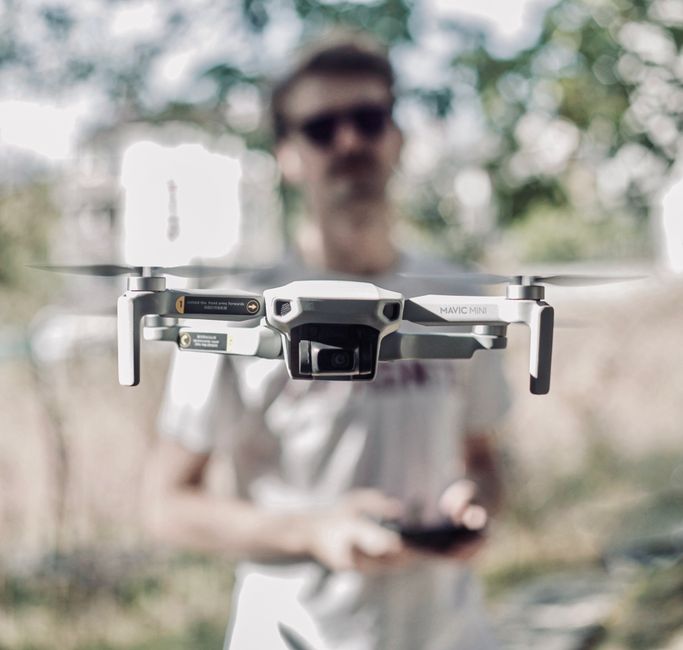
Drone pilot certification is a crucial requirement for anyone wishing to operate drones for commercial purposes. In many countries, including the United States and those governed by the European Union Aviation Safety Agency (EASA), regulations mandate that drone pilots must be certified to ensure safety and compliance with aviation laws.
The purpose of this certification is to equip pilots with the knowledge and skills necessary to operate drones responsibly. This includes an understanding of airspace regulations, weather conditions, and the mechanical aspects of drones. For example, in the United States, the Federal Aviation Administration (FAA) requires pilots to pass the Part 107 exam to receive their certification.
Steps to Obtain Your Drone Pilot Certification
The process for obtaining a drone pilot certification may vary by country, but the following steps are generally applicable:
- Research Local Regulations: Before embarking on your certification journey, familiarize yourself with the local laws governing drone operations. For instance, in the Philippines, the Civil Aviation Authority of the Philippines (CAAP) outlines specific requirements that must be met.
- Complete Training: Many aspiring drone pilots choose to enroll in training programs, which can be found at various institutions or online platforms. These programs often cover essential topics such as drone technology, safety protocols, and navigation.
- Pass the Required Exam: After completing your training, you will need to pass a written exam that tests your knowledge of drone operations and safety regulations. Successful completion of this exam is a significant milestone in earning your certification.
- Obtain Necessary Documentation: Once you pass the exam, you will need to submit any required documentation, such as proof of training and identification, to the relevant aviation authority.
- Stay Updated: After obtaining your certification, it is crucial to stay informed about any changes in regulations or technology. Continuous education can help you maintain your skills and knowledge as a drone pilot.
The Importance of Safety and Compliance
Safety should always be a priority in drone operations. A well-trained pilot not only ensures compliance with regulations but also minimizes the risk of accidents. For example, understanding no-fly zones, which are areas where drone flights are prohibited, is essential for every certified pilot.
Moreover, regular maintenance of drones is vital to ensure their functionality and safety. A malfunctioning drone can pose significant risks, not only to the pilot but also to the public. Therefore, certified pilots must perform routine checks and maintenance on their equipment.
Benefits of Becoming a Certified Drone Pilot
Obtaining a drone pilot certification opens up a myriad of opportunities across various industries. Certified pilots can work in sectors such as:
- Agriculture: Drones are increasingly used for crop monitoring, irrigation management, and livestock tracking.
- Real Estate: Aerial photography and videography have become essential tools for showcasing properties.
- Filmmaking: Drones provide unique perspectives and cinematic shots that enhance storytelling.
- Surveying and Mapping: Drones can efficiently gather data for land surveys and create detailed maps.
Furthermore, possessing a certification can enhance your credibility as a pilot, making you more attractive to potential employers and clients. Many companies prefer to hire certified pilots due to the assurance of safety and professionalism that certification entails.
Conclusion
As the drone industry continues to evolve, the importance of obtaining a drone pilot certification cannot be overstated. By following the necessary steps and committing to ongoing education, aspiring pilots can position themselves for success in this dynamic field. Whether you are looking to start a career or expand your skills, obtaining a drone pilot certification is the first step towards navigating the skies responsibly and effectively.